Why Does Most Non-Alcoholic Wine Taste Bad, and What We Do Differently?
Winemaker Duncan Shouler breaks down the common failure modes in non-alcoholic wine and what PARAGRAPH does differently at each stage.


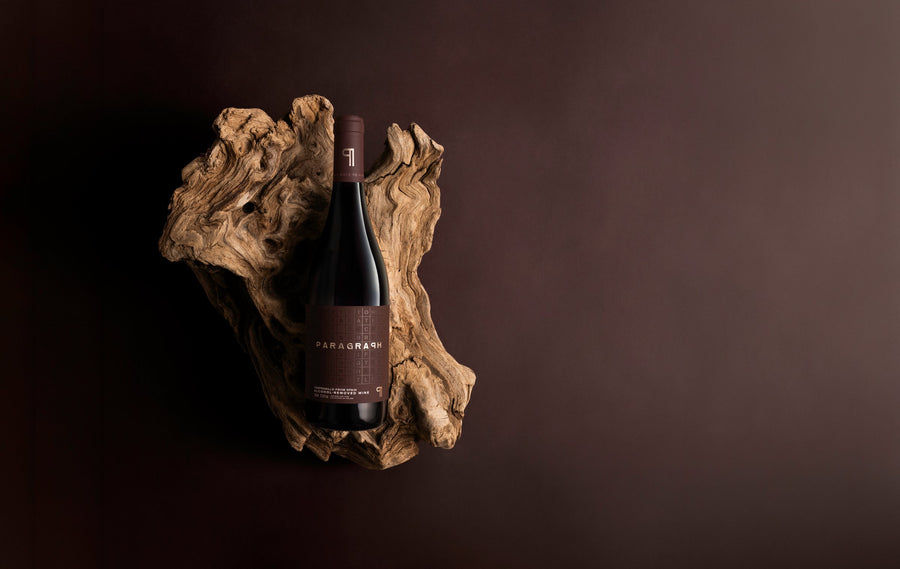
Most non-alcoholic wine tastes bad because of three recurring mistakes: over-sweetening to mask what alcohol removal took away, cooking the wine's aroma with a harsh high-heat dealcoholization process, and starting with fruit that never had enough structure to survive the process. PARAGRAPH starts with high-structure Tempranillo and removes alcohol by low-temperature vacuum distillation.
I have tasted a lot of non-alcoholic wine over the years, including plenty made by people I respect, and I understand why the category built a bad reputation with certain drinkers. A lot of it earned that reputation honestly. It goes wrong at three points, and this is what we do differently at each one.
Over-sweetening to cover the gap
Alcohol removal takes weight and richness out of a wine, and the fastest way to make a thin wine feel less thin is to make it noticeably sweet. Sweetness creates a sense of body and roundness in the mouth, and it masks some of the harsher, flatter notes a poorly dealcoholized wine can pick up. Many producers lean hard on this shortcut, and the result tastes more like a soft drink with wine flavoring than a wine.
We keep PARAGRAPH at about 1 gram of sugar per 100 mL, or 11 g/L residual sugar. If a wine needs a noticeable sweetness to taste balanced, that is usually a sign the underlying structure was never there and sugar is doing the work grape tannin and acidity should be doing.
Cooking the aromatics
Standard distillation boils alcohol off at around 78°C at sea level. That temperature destroys the volatile aroma compounds responsible for a wine's fruit, floral, and herbal character. A wine dealcoholized this way loses its identity and often picks up cooked, flat, or slightly caramelized notes that have nothing to do with the grape it came from.
This is avoidable. Vacuum distillation lowers air pressure so alcohol boils off at around 30°C instead, and the spinning cone column reaches a similar temperature through a different mechanism. Both are covered in how non-alcoholic wine is made. We use vacuum distillation, and our still runs at about 30°C, because holding the wine that cool keeps it tasting like the grape it came from, aroma intact and uncooked.
Starting with the wrong fruit
The most overlooked failure point happens before distillation ever touches the wine. If you ferment a grape that was chosen for easy ripening and soft, simple fruit, you get a full-strength wine with a pleasant but shallow profile. Remove the alcohol from that wine and there is nothing left to hold it together. It falls apart into something thin and one-note.
We start with Tempranillo grown at high altitude in Spanish vineyards, where the wide swing between hot days and cold nights slows ripening and pushes the grape to develop tannin and phenolic structure alongside its sugar. That structure is what survives the alcohol removal process. A grape with more going on before distillation still has something left after.
Thin body is a separate problem from all three
Even when a producer avoids over-sweetening and avoids cooking the aromatics, there is a third issue that comes down to physics: alcohol has weight and texture in wine, and removing it leaves a lighter body no matter how careful the process is. Producers who fail to account for this end up with a technically clean wine that still tastes watery.
We place huge emphasis on the importance of tannin extraction and wine structure. The base red wine must have ample natural tannin to give classic red wine structure, but not so much that the finished wine looks overly astringent or bitter. I go through it in detail in how we keep tannin and structure without the alcohol.
Getting this right matters more now than it did five years ago
The category has outgrown its reputation as a compromise. Only 54% of US adults say they drink alcohol, matching the prior year's record low, and the figure is 50% among adults aged 18 to 34 (Gallup, July 2026). The US non-alcoholic wine market reached about $1.1 billion in 2025 (Grand View Research), and non-alcoholic wine sales grew 29.1% in 2025 while total US wine sales fell 4.9% (NIQ, 2025 year in review).
That growth means more people are trying this category for the first time every month, and many of them form their opinion of the whole category off one bottle. If that bottle was over-sweetened, cooked, or built from thin fruit, they are not coming back. Getting the winemaking right at each stage, from grape selection through distillation, is the only way to change that first impression.
If you have had a non-alcoholic red that fell into one of these traps, that is the gap PARAGRAPH Tempranillo was built to close.
Common questions
Why is a lot of non-alcoholic wine so sweet?
Sugar is a fast way to add perceived body and cover flat or harsh notes left by a rough dealcoholization process. It is a shortcut, and it is the main reason so much of the category tastes closer to a fruit dessert drink than a dry red.
Does removing alcohol always make a wine taste worse?
It always removes some body. Whether the wine tastes worse depends on whether the grape had enough tannin and structure going in and whether the dealcoholization process protected the aroma.
What is the difference between a cooked and a clean-tasting non-alcoholic wine?
A cooked wine usually comes from high-heat distillation, and it can taste flat or slightly caramelized. A clean-tasting one usually comes from a low-temperature process like vacuum distillation, run on fruit with enough structure to hold up.
Why does PARAGRAPH use Tempranillo specifically?
High-altitude Tempranillo develops strong tannin and phenolic structure alongside its sugar, which gives the wine something to hold onto after the alcohol comes out.

Duncan Shouler
Head Winemaker at PARAGRAPH, formerly Chief Winemaker at Giesen. Duncan has spent eight years making alcohol-removed wine.
More from Duncan