Why Are Some People So Weird About Non-Alcoholic Wine?
Decaf gets a pass. Non-alcoholic beer gets a pass. Say non-alcoholic wine and the room turns. Steve Arora on why, and what changed.


People resist non-alcoholic wine because wine carries more emotion than any other drink, and alcohol is woven into that identity. Removing it can feel like an attack on wine itself. The skeptics also have history on their side: most non-alcoholic wine has been poor. Both things are changing, and the case for it is the same case as decaf.
I have become fascinated by this.
Order a decaf coffee and nobody objects. Choose oat milk and civilization continues. Drink a non-alcoholic beer and most people barely notice.
Mention non-alcoholic wine and suddenly you hear:
"Why bother?"
"That's not wine."
Or you get the classic: "I prefer the real stuff."
The funny thing is, so do I.
I love wine, and that is the point
I love wine. I love the ritual, the food, the conversation, the places and the people around it.
What I can no longer do is sustain a lifestyle where enjoying wine regularly also means consuming alcohol regularly.
I suspect a lot of people are arriving at the same place. In July 2026, Gallup found that 54% of US adults drink alcohol, matching the lowest figure the poll has recorded, and only 50% of adults under 35. Those people did not stop loving what wine gives them. They stopped wanting the alcohol every time.
Wine is unusually emotional
Alcohol is intertwined with wine's culture and identity, so removing it can somehow feel like an attack on wine itself. Nobody feels that way about caffeine. Coffee survived decaf without a crisis of meaning.
Wine did not get that luxury, because for a long time the alternative did not deserve the name.
The skeptics had a point
There is a legitimate reason for the scepticism: a lot of non-alcoholic wine historically has not been very good.
Removing alcohol is technically difficult. It changes aroma, texture, body and balance. Do it badly and the skeptics are right. We have written about why most non-alcoholic wine tastes bad, and the short version is that cheap wine in gives you cheap wine out.
But the category is changing. Better base wines. Better technology. Better winemaking. US sales of non-alcoholic wine grew 29.1% in 2025 while total wine fell 4.9% (NIQ), and that growth is coming from people who know what wine is supposed to taste like.
It does not have to replace wine
Here is the part that took me longest to understand: non-alcoholic wine does not have to replace wine.
Decaf did not replace coffee. Non-alcoholic beer did not replace beer.
Sometimes you want the real stuff. Sometimes you want the experience without the alcohol.
"Can we keep more of what people love about wine, while giving them another way to enjoy it? That question is why PARAGRAPH exists." Steve Arora, Founder
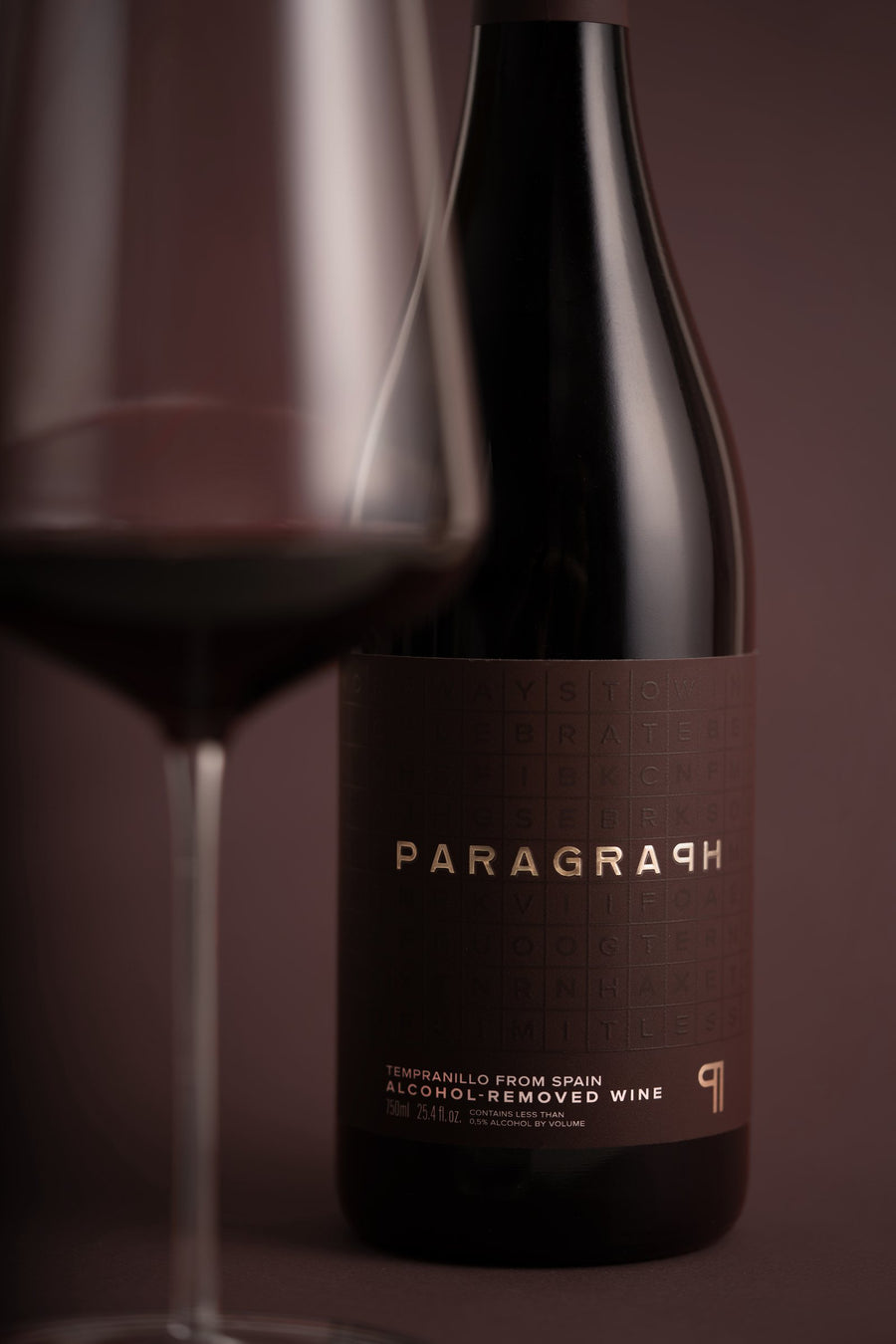
That simple idea is a big part of why we created PARAGRAPH. We start with a wine worth drinking, a Tempranillo from high-altitude Spanish vineyards, and remove the alcohol only once the wine is finished. You can read how non-alcoholic wine is made if you want the process.
I still prefer the real stuff. I just do not want it every time.
If you have been waiting for non-alcoholic wine to get serious, our Tempranillo is the bottle we made to change your mind.
Common questions
Is non-alcoholic wine pointless if you like real wine?
No more than decaf is pointless to someone who likes coffee. It is for the occasions when you want the glass, the food and the conversation without the alcohol. Many people who buy it also buy full-strength wine.
Does non-alcoholic wine count as wine?
It starts as wine, made from grapes, fermented and aged. The alcohol is then removed. US labeling calls it "alcohol-removed" or "dealcoholized" wine at under 0.5% ABV.
Why has non-alcoholic wine had such a bad reputation?
Because most of it started from cheap bulk wine and the removal process exposed every flaw. Better base wine and gentler removal methods have changed what is possible.
Is non-alcoholic wine only for people who do not drink?
No. It is for anyone who loves wine and does not want alcohol on a given night: the evening before an early start, a weeknight, a second glass, or a table where not everyone drinks.

Steve Arora
Founder of PARAGRAPH.
More from Steve